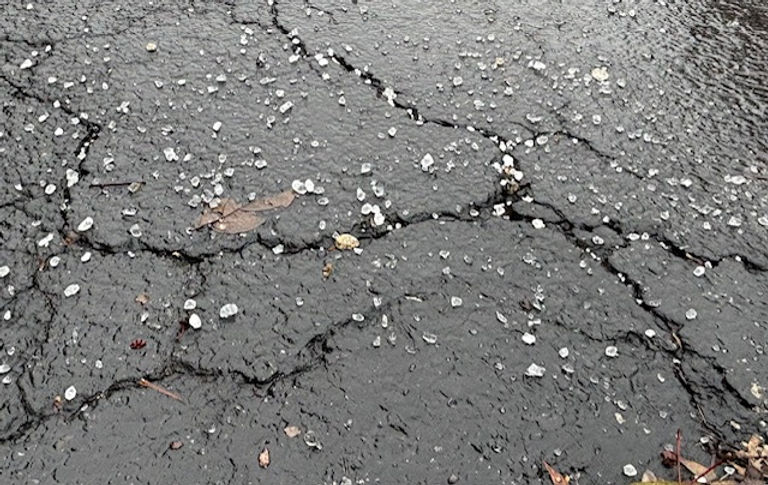
How To Avoid Driveway Salt Damage: The Professional Guide
How to avoid driveway salt damage is a primary concern for property owners living in regions subject to harsh winter conditions. While chemical de-icers are essential for maintaining safety and accessibility, their interaction with paved surfaces often leads to structural deterioration. Understanding the chemistry behind these interactions is the first step toward preserving your exterior surfaces. Both homeowners and facility managers must recognize that preventative maintenance is significantly more cost-effective than reactive repairs. This guide provides a comprehensive framework for managing winter safety without compromising the longevity of your infrastructure.
The core challenge lies in the porous nature of common driveway materials like concrete and asphalt. When moisture penetrates these pores and then freezes, it exerts internal pressure that exceeds the material’s tensile strength. Introducing salt into this equation complicates the physics through increased freeze-thaw cycles and chemical leaching. Professionals approach this problem by integrating material science with strategic application techniques. Modern standards emphasize the use of barriers and alternative chemicals to mitigate long-term degradation. This analysis explores the technical nuances required to maintain a durable and safe driveway throughout the coldest months.
Recent shifts in the paving industry have highlighted the vulnerability of newer, high-strength concrete mixes to chemical attack. Even high-quality installations can fail prematurely if subjected to aggressive chloride exposure without proper curing or sealing. Furthermore, environmental regulations are increasingly restricting the types of chemicals used in residential and commercial settings. These factors make a proactive approach to driveway care not just a matter of aesthetics, but a financial and legal necessity. By adopting a system-wide view of winter maintenance, you can protect your investment while ensuring reliable traction during ice events.
How To Avoid Driveway Salt Damage
How to avoid driveway salt damage involves more than simply reducing the amount of rock salt scattered on the surface. At its core, the goal is to manage the movement of moisture and the concentration of corrosive ions within the pavement structure. Imagine your driveway as a dense, mineral-based fabric that can absorb liquids through capillary action. When de-icing salts are applied, they dissolve into a brine that carries chloride ions deep into the concrete’s matrix. This process accelerates the natural weathering cycle through a phenomenon known as osmotic pressure.
Professional interpretations of salt damage often focus on the difference between physical scaling and chemical corrosion. Scaling occurs when the surface layer of the concrete flakes off, exposing the aggregate underneath to further erosion. Chemical corrosion is more insidious, as it attacks the steel reinforcement (rebar) inside the concrete, leading to expansive rust that cracks the structure from within. Beginners often mistake surface pitting for a purely cosmetic issue, but professionals recognize it as a signal of deeper structural compromise. Understanding this distinction is vital for accurate troubleshooting.
Modern approaches to this problem have moved away from the “more is better” mentality regarding de-icing agents. Instead, the focus has shifted toward pre-treatment and the use of physical barriers like high-grade sealants. By creating a hydrophobic surface, you prevent the salt-laden water from entering the material in the first place. This strategy represents the most effective method for long-term preservation. Transitioning from traditional rock salt to modern, engineered alternatives can also reduce the chemical burden on the pavement while maintaining effective ice melting capabilities.
The Evolution Of De-icing Practices
Historically, winter maintenance was a matter of simple physical traction, often utilizing wood ash or sand to provide grip on slippery surfaces. The transition to chemical de-icers began in the mid-20th century as automotive travel became more prevalent and the demand for clear roads increased. Rock salt, or sodium chloride, became the industry standard due to its abundance and low price. However, the long-term consequences of its use were not immediately apparent to the early installers of residential driveways.
From Traction To Chemistry
In the “old ways” of maintenance, the primary goal was simply to stop vehicles from sliding. Little consideration was given to the pH levels of the runoff or the saturation of chloride ions in the soil. As the infrastructure aged, the industry observed a widespread failure of concrete surfaces that had been treated with heavy amounts of rock salt. This led to the development of air-entrained concrete, which contains microscopic bubbles to provide relief for internal ice pressure. Modern standards now mandate these mixes for all exterior work in freezing climates.
The Rise Of Modern Sealants
Traditional asphalt and concrete were once left largely unprotected, relying on their natural density to resist the elements. Today, the standard has shifted toward the application of silane and siloxane sealers that penetrate several millimeters into the surface. These modern treatments do not just sit on top like a film; they chemically bond with the substrate to repel water at a molecular level. This shift represents a move from temporary surface fixes to permanent structural fortification. Outdated assumptions that a driveway is “maintenance-free” for ten years are being replaced by rigorous annual inspection protocols.
Conceptual Frameworks For Pavement Preservation
To master the process of winter protection, one must adopt specific mental models that govern how materials react to their environment. These frameworks help both laypeople and professionals predict failures before they occur. By viewing the driveway as a dynamic system rather than a static slab, you can tailor your intervention strategies to current weather patterns and material conditions. This strategic foundation ensures that your efforts are efficient and targeted.
The Moisture Barrier Framework
This model suggests that if water cannot enter the driveway, salt cannot damage it. For a layperson, this means focusing all efforts on sealing cracks and applying high-quality water repellents. For a professional, it involves checking the “water bead” test results and measuring the depth of the penetration of previous sealers. This framework prevents the common error of over-applying chemicals to a surface that is already porous and vulnerable. It prioritizes the “envelope” of the structure above all else.
The Eutectic Temperature Model
Every de-icing chemical has a lowest temperature at which it can effectively melt ice, known as the eutectic point. Understanding this helps prevent the wasted application of chemicals that will simply sit on the surface without working. Professionals use this model to choose the right de-icer for the specific temperature range forecasted. This prevents “chemical piling,” where excessive salt is used to compensate for a lack of melting action, leading to massive chloride concentrations once the sun comes out.
The Lifecycle Maintenance Heuristic
This way of thinking treats the driveway as a diminishing asset that requires constant reinvestment to maintain its value. It encourages regular cleaning, small-scale patching, and scheduled re-sealing. For professionals, this framework helps justify the cost of higher-end de-icers by demonstrating how they extend the total lifespan of the asset. It prevents the decision error of choosing the cheapest de-icer today at the cost of a full driveway replacement in five years. This model emphasizes total cost of ownership over initial price.
Variations In Driveway Protection Methods
There are several distinct categories of de-icing agents and protection strategies, each with its own set of advantages and limitations. Choosing the right path requires balancing budget, environmental impact, and the age of the driveway material. Professionals often use a combination of these methods rather than relying on a single solution. The following table provides a high-density comparison of the most common approaches used in modern exterior maintenance.
| Variation | Target Audience | Core Advantage | Trade-offs | Relative Complexity |
|---|---|---|---|---|
| Sodium Chloride | Budget Homeowners | Lowest initial cost | High corrosivity; kills plants | Minimal |
| Calcium Chloride | Extreme Cold Regions | Works down to -25°F | Can leave slippery residue | Moderate |
| Magnesium Chloride | Eco-Conscious Users | Lower toxicity levels | More expensive than salt | Moderate |
| Acetates (CMA) | Commercial/Pro | Non-corrosive to concrete | Highest cost per pound | High |
| Physical Traction (Sand) | Historical/Rural | Zero chemical damage | No melting; clogs drains | Low |
Decision logic dictates that your choice should be constrained by the local climate and the material of your driveway. If you have a brand-new concrete driveway (less than one year old), you should avoid all chemical de-icers entirely and rely on sand for traction. Conversely, if you manage a high-traffic commercial asphalt lot, you might opt for a liquid brine pre-treatment to reduce the total amount of salt needed. Always evaluate the environmental sensitivity of the surrounding landscape, as chloride runoff can significantly alter soil salinity and damage expensive ornamental plantings.
Real-world Scenarios And Applied Logic
Applying technical knowledge to actual winter events requires a flexible mindset. No two storms are identical, and the timing of your application can be just as important as the chemical itself. By looking at specific scenarios, we can see how how to avoid driveway salt damage translates from theory into practice. These situations illustrate the second-order consequences of maintenance decisions, such as the need for increased drainage cleaning after using traction grits.
Scenario: The Pre-storm Liquid Treatment
A professional property manager sees a freezing rain event in the forecast. Instead of waiting for the ice to bond, they apply a liquid brine solution to the dry driveway 12 hours before the storm. This prevents the “ice-to-pavement” bond from ever forming. The result is that the ice remains slushy and can be easily plowed or shoveled away. The second-order consequence is that they use 50% less total salt, significantly reducing the chemical load on the concrete surface and saving money on material costs.
Scenario: Recovering From A Surface Pitting Event
A homeowner notices small, coin-sized flakes popping off their concrete driveway after a particularly cold week. This is a classic failure point caused by the saturation of chloride ions and the subsequent freeze-thaw expansion. The immediate recovery step is to stop using rock salt and switch to sand for the remainder of the season. Once spring arrives, the driveway must be pressure washed to remove residual salts and then treated with a penetrating silane sealer. Ignoring these early signs would lead to full-depth structural cracking within three seasons.
Scenario: High-end Paver Protection
An estate owner with expensive permeable pavers needs a safe walking surface but cannot risk discoloring the stones. They choose Calcium Magnesium Acetate (CMA), which is safe for the environment and the masonry. While the cost is higher, the decision prevents the “white haze” often left by traditional salt. This maintains the aesthetic value of the property, which far outweighs the additional cost of the premium de-icer. In this case, the decision tree prioritizes asset preservation over operational budget.
Planning, Cost, And Resource Dynamics
Financial planning for winter maintenance must account for both the direct costs of materials and the hidden costs of surface degradation. While rock salt is inexpensive at the point of sale, its “hidden” cost includes the shortened lifespan of your driveway and the potential for foundation damage. Professionals calculate the lifecycle cost of a driveway and realize that spending more on quality sealants and premium de-icers actually yields a higher return on investment. The following table breaks down the typical costs associated with various maintenance tiers.
| Category | Entry-Level Scenario | Professional Standard | Enterprise/High-End | Key Nuance |
|---|---|---|---|---|
| De-icing Material | $10/bag Rock Salt | $25/bag Blended Brine | $45/bag CMA pellets | Bulk buying cuts costs |
| Surface Sealing | DIY Acrylic ($50/gal) | Pro Silane ($120/gal) | Industrial Siloxane | Prep work is 80% of cost |
| Application Tools | Hand-throwing salt | Broadcast Spreader | Liquid Sprayer System | Calibration is critical |
| Annual Repair | Cold-patch DIY | Professional crack-fill | Full surface grinding | Small leaks sink ships |
Effective resource management also involves timing. Purchasing de-icers in the late summer or early fall can result in significant savings compared to buying during a blizzard. Furthermore, the opportunity cost of a damaged driveway includes the potential for slip-and-fall liability claims and the decrease in home resale value. Professionals view “cheap” rock salt as an expensive shortcut that eventually leads to high-end reconstruction costs. Investing in a high-quality broadcast spreader ensures even distribution, which prevents the “hot spots” of high chloride concentration that are most damaging to pavement.
Tools And The Professional Toolkit
The real problem that professional tools solve is inconsistency. When salt is applied by hand, it is almost impossible to achieve a uniform spread, leading to areas of over-saturation and areas of zero protection. A calibrated broadcast spreader is the most basic tool for how to avoid driveway salt damage because it regulates the flow of material. Professionals also use moisture meters to check the saturation levels of concrete before applying sealers, ensuring that the chemical bond is not compromised by internal dampness.
Another critical tool in the professional ecosystem is the infrared thermometer. By knowing the exact temperature of the pavement, you can choose the de-icer that is most effective for those specific conditions. For example, if the air is 20°F but the pavement is still 34°F due to residual ground heat, you may not need to apply salt at all. This data-driven approach reduces chemical waste and protects the driveway. Professionals must watch out for “hidden limitations” in their tools, such as spreaders that are not designed for the specific grain size of premium de-icers, which can cause clogging and uneven application.
Integration is key to a successful toolkit. Your shoveling schedule, your de-icing chemicals, and your surface sealants must all work together. For example, if you use a plastic shovel instead of a metal-edged one, you are less likely to scrape away the protective sealant layer you applied in the fall. Similarly, choosing a “pet-safe” de-icer often means you are also using a chemical that is less corrosive to the concrete. This systemic view ensures that every action you take reinforces the overall health of the exterior surfaces rather than working against them.
Risk Landscape And Failure Modes
Identifying potential failure modes is essential for developing a safety net for your property. Structural risks often begin at the edges of the driveway where drainage is poorest. If water pools along the side of the slab, it can seep underneath and freeze, lifting the entire structure and creating massive cracks. This is an operational failure that salt application cannot fix. Professionals categorize these risks into a taxonomy to better manage them during the winter season.
The Structural Failure Mode
This occurs when the sub-base of the driveway is saturated with water. When this water freezes, it creates a “frost heave” that physically snaps the concrete or asphalt. Salt damage exacerbates this by allowing more water to penetrate deeper into the structure through widened cracks. Mitigation involves ensuring that the surrounding soil is properly graded to shed water away from the driveway. Without proper drainage, even the best de-icer in the world will not prevent the driveway from failing due to sub-surface pressure.
The Chemical Leaching Mode
Certain salts, particularly sodium chloride, can react with the calcium hydroxide in concrete. This reaction can lead to the formation of calcium oxychloride, a mineral that expands within the pores and causes internal crumbling. This is a systemic failure because it happens at a microscopic level throughout the entire slab. To mitigate this, professionals use “active” sealers that neutralize the chemical reactivity of the concrete. This prevents small errors in salt application from compounding into a complete structural collapse.
The Human Error Component
The most common failure mode is the over-application of chemicals due to a lack of patience. People often apply salt and then add more ten minutes later because the ice has not instantly vanished. This leads to a massive excess of chloride that sits on the surface long after the storm has passed. Establishing a strict “wait and see” protocol and using pre-measured amounts based on the square footage of the driveway are practical ways to mitigate this risk. Education is the primary tool for reducing human error in winter maintenance.
Governance And Long-term Maintenance Mastery
Static systems are doomed to fail in a dynamic environment like a winter driveway. Your maintenance plan must evolve as the driveway ages and as weather patterns shift. Long-term mastery requires a commitment to a cyclical review of the surface’s condition. This process ensures that you are not just applying the same solution year after year regardless of the actual needs of the material. A well-governed maintenance schedule preserves the quality and relevance of your interventions over many decades.
The Dynamic Adaptation Cycle
Every spring, you should conduct a “de-brief” of the previous winter. Where did the ice accumulate most? Where are the new cracks forming? Use this information to adjust your sealing and drainage strategy for the coming year. If one section of the driveway is constantly pitting, it may be time to investigate sub-surface water issues. This feedback loop is what separates professional-grade management from basic homeowner maintenance. It ensures that your resources are being spent where they will have the most significant impact on how to avoid driveway salt damage.
- Perform a thorough pressure wash in April to remove all residual salt and grime.
- Inspect all expansion joints and fill them with high-quality backer rod and sealant.
- Test the surface water repellency in September using the “water drop” method.
- Apply a fresh coat of silane-siloxane sealer every two to three years depending on traffic.
- Clear all debris from drainage channels and catch basins before the first frost.
- Calibrate your salt spreaders to ensure they are delivering the manufacturer’s recommended rate.
Measurement, Kpis, And Evaluation
To prove success in winter maintenance, you need objective metrics. For a professional, this means tracking the “Leading Indicators,” such as the number of gallons of sealer applied or the total pounds of de-icer used per square foot. These are inputs that you can control. The “Lagging Indicators” are the final results, such as the number of new cracks formed during the winter or the square footage of surface scaling observed in the spring. Comparing these two sets of data allows you to refine your strategy over time.
Reporting examples for a professional might include a “surface health score” from 1 to 10, assigned to different zones of the property. This allows them to demonstrate to a homeowner or stakeholder that their preventative measures are working. For instance, if a zone treated with CMA shows 0% new pitting while a rock-salt zone shows 5% pitting, the value of the premium chemical is clearly demonstrated. Documentation should also include photographs of the driveway before and after the season to provide a visual record of degradation or stability.
Success is also measured by the “friction coefficient” of the surface during an ice event. A professional uses a traction meter or simply monitors the safety record of the driveway. If zero slip-and-fall incidents occur while also maintaining the integrity of the concrete, the maintenance program is considered a success. Balancing these two often-competing goals—safety and preservation—is the ultimate mark of a master of exterior infrastructure maintenance. This data-driven approach replaces guesswork with certainty.
Common Misconceptions And Industry Myths
There are several pervasive myths that continue to mislead both beginners and experienced professionals regarding driveway care. These myths often persist because they seem intuitive, but they ignore the underlying chemistry of the materials. Debunking these “cheap fixes” is essential for developing a truly effective maintenance protocol. Understanding the reality behind these misconceptions prevents costly mistakes and ensures you are using the best possible methods for your specific situation.
Myth: Asphalt Is Immune To Salt
While asphalt is less reactive to salt than concrete, it is not immune. The primary danger to asphalt is the freeze-thaw cycle that salt accelerates. By melting the ice, the salt allows liquid water to seep into the tiny cracks in the asphalt. When that water refreezes, it expands and widens the cracks, eventually leading to potholes. Believing that asphalt requires no protection often leads to a “deferred maintenance” trap where the surface fails much sooner than expected.
Myth: New Concrete Is Ready For Salt
Many people believe that once concrete is hard enough to drive on, it can handle de-icing salt. In reality, concrete takes months or even a full year to reach its full chemical resistance. Applying salt to concrete during its first winter is one of the most common causes of catastrophic surface scaling. Professionals recommend waiting at least twelve months and applying a high-quality sealer before ever introducing chemical de-icers to a new slab. This patience pays off in a much longer-lasting surface.
Myth: Rain Will Wash Away All The Salt
A common misconception is that a heavy spring rain will naturally “clean” the driveway. While rain does wash away surface salt, it does nothing to remove the chloride ions that have already penetrated deep into the pores of the material. In fact, more water can sometimes drive those salts even deeper. A professional cleaning requires a high-pressure wash and sometimes a neutralizing agent to truly remove the corrosive elements from the internal matrix of the driveway. Relying on the weather is not a substitute for active maintenance.
Ethical, Contextual, And Practical Limits
Every approach to winter maintenance involves trade-offs. There is no “perfect” de-icer that is cheap, 100% safe for the environment, and effective at all temperatures. How to avoid driveway salt damage requires navigating these “gray areas” based on your specific context. For example, if you live near a protected wetland, you may be ethically and legally bound to use less effective but more eco-friendly mechanical methods like heated driveway systems or simple manual labor.
There are also practical limits to what maintenance can achieve. If a driveway was installed with poor-quality concrete or an inadequate sub-base, no amount of expensive sealer or premium de-icer will prevent it from eventually failing. In such cases, the most “ethical” advice is to save the money on topical treatments and prepare for a full replacement. Recognizing the limits of current technology is part of being a professional. You must balance the desire for a perfect, ice-free surface with the reality of the material’s physical constraints and the environmental cost of heavy chemical use.
Contextual constraints also include local municipal laws. Some cities have strict rules about the types of runoff allowed to enter the storm drain system. Using high volumes of sodium chloride could result in fines or civil liability if it damages neighboring property or city infrastructure. Navigating these boundaries requires staying informed about local regulations and choosing the “least-harmful” path that still provides adequate safety. This level of judgment is what separates a strategic maintenance plan from a haphazard one.
Conclusion: The Synthesis Of Judgment And Process
How to avoid driveway salt damage is a continuous process that demands a balance between immediate safety needs and long-term structural health. It is not a task that can be completed once and then forgotten; it requires seasonal vigilance and a commitment to quality materials. By shifting from a reactive “emergency” mindset to a proactive “preservation” mindset, property owners can drastically extend the life of their exterior surfaces. This transition involves choosing the right chemicals, applying them at the right time, and maintaining a robust physical barrier through high-quality sealants.
The synthesis of this guide lies in the understanding that your driveway is an investment that requires active governance. Whether you are a homeowner managing a single driveway or a professional overseeing an entire campus, the principles remain the same: control moisture, minimize chloride exposure, and monitor results. Success is not found in a single “miracle” product but in the consistent application of sound engineering principles and material science. Ultimately, the durability of your driveway depends on your ability to harmonize your maintenance actions with the relentless forces of the winter climate.
As you move forward, remember that the most effective tool in your kit is your own judgment. Evaluate each storm, each product, and each repair with a critical eye toward the second-order consequences of your decisions. A well-maintained driveway is more than just a convenience; it is a testament to the power of systemic process over temporary fixes. By applying the frameworks and strategies outlined in this guide, you can ensure that your property remains safe, attractive, and structurally sound for decades to come.
Frequently Asked Questions
Does Sealing Really Prevent Salt Damage?
Yes, but it depends on the type of sealer used. Penetrating sealers like silane or siloxane are highly effective because they create a hydrophobic barrier inside the concrete’s pores. Topical acrylic sealers provide some protection but can wear off quickly and trap moisture underneath if not applied correctly. For the best results, a professional-grade penetrating sealer is the standard for long-term chloride resistance.
Is Sand A Safe Alternative To Salt?
Sand is perfectly safe for the driveway’s structure because it provides traction without causing a chemical reaction or lowering the freezing point of water. However, it does not melt ice and can clog drainage systems and catch basins if used in large quantities. Many professionals recommend a mix of sand and a small amount of high-quality de-icer to get the best of both worlds: immediate grip and some melting action with less chemical load.
Can I Fix A Driveway That Is Already Pitting?
Surface pitting can be halted, but the existing damage cannot be “undone” without resurfacing. The first step is to thoroughly clean the area and remove all loose material and residual salt. You can then apply a high-strength concrete patch or a polymer-modified overlay to restore the surface. Once the repair is cured, it is vital to apply a high-quality penetrating sealer to prevent the surrounding “healthy” concrete from suffering the same fate.
Why Is New Concrete More Vulnerable?
New concrete contains a high amount of “bleed water” and has not yet developed its full density. The chemical structure of the cement paste is still evolving during the first year, making it much softer and more susceptible to the expansive pressures of salt-induced freeze-thaw cycles. Professionals often refer to this as the “curing window,” and they strictly advise against any salt use during the first full winter after the concrete has been poured.
What Is The Least Damaging Chemical De-icer?
Calcium Magnesium Acetate (CMA) is widely considered the least damaging chemical de-icer for concrete and the environment. It works differently than salts by turning the snow and ice into a non-sticky, oatmeal-like consistency rather than a liquid brine. While it is significantly more expensive than rock salt, its non-corrosive properties make it the preferred choice for high-value masonry and areas where minimizing structural damage is the top priority.