Xeriscaping Project Overview: A Professional Editorial Guide
A xeriscaping project overview provides the essential structural framework for transitioning from traditional, high-water landscapes to resilient, ecologically sound environments. This transition represents a shift from resource-heavy maintenance to a more sophisticated, nature-aligned management strategy. By understanding the intricate balance between soil health, plant selection, and hydraulic efficiency, property owners can create outdoor spaces that thrive even under climatic stress.
The complexity of these projects often surprises those who view them merely as a reduction in plant density. In reality, a successful conversion requires a deep understanding of local microclimates and hydrological cycles. For industry veterans, this is an exercise in precision engineering, while for students of the craft, it offers a masterclass in regional botany and soil science.
Current global shifts in water availability have elevated the importance of these strategies from optional aesthetic choices to critical infrastructure requirements. Urban planning and private development increasingly rely on these principles to mitigate heat island effects and reduce the strain on municipal water systems. This comprehensive analysis serves as a guide through the technical and practical layers of a modern exterior conversion.
Xeriscaping Project Overview
At its core, a xeriscaping project overview is a strategic alignment of landscape design with the natural water availability of a specific region. The term is often misunderstood as “zeroscaping,” implying a landscape devoid of life or color. However, true xeric design is an optimization of resources rather than a total elimination of inputs.
Consider the analogy of a high-performance cooling system in a computer. A traditional lawn is like an outdated, inefficient fan that must run at maximum speed constantly to prevent overheating, consuming massive amounts of energy. A xeric landscape is more like a modern liquid-cooling system; it uses a closed-loop philosophy, precisely directing resources exactly where they are needed and retaining them through strategic insulation.
Misunderstandings frequently occur when stakeholders assume that drought-tolerant plants can be placed in any soil or that they require no maintenance. Professionals recognize that the “essence” of the project lies in the invisible layers: the drainage capacity of the subsoil, the organic composition of the mulch, and the subterranean delivery of moisture. It is a holistic approach where every component supports the survival of the others.
Historical Shifts And Modern Standards
The discipline began as a reactive measure in the arid regions of the American West during the late 20th century. Early attempts were often crude, focusing heavily on crushed stone and a limited palette of desert flora. These “old ways” were effective at saving water but often failed to provide the cooling and psychological benefits of a traditional garden.
Modern standards have evolved into a “Nature-Plus” philosophy. We now understand that a sterile rock yard can actually increase local temperatures through radiant heat. Today’s professional approach focuses on “hydrozoning,” where plants are grouped by their specific water needs to prevent over-irrigation of the most resilient species.
The shift has also moved from purely aesthetic goals to functional ecology. Modern projects are expected to support local pollinators, manage stormwater runoff, and provide thermal insulation for the building envelope. This evolution means that contemporary designers must be part botanist, part hydrologist, and part environmental architect.
Conceptual Frameworks And Strategic Foundations
To master the complexities of a large-scale exterior conversion, one must employ specific mental models that guide decision-making. These frameworks prevent the common error of treating the landscape as a collection of isolated parts rather than a functioning ecosystem.
The first mental model is the “Soil-Plant-Atmosphere Continuum” (SPAC). This framework helps designers see how water moves from the ground, through the plant’s vascular system, and out into the air. By understanding this flow, a professional can predict which plants will fail in high-wind areas or which soil types will lead to root asphyxiation during rare heavy rain events.
The second framework is “Ecological Succession Planning.” This involves visualizing the landscape not just on the day of installation, but five, ten, and twenty years into the future. For a layperson, this clarifies why small, seemingly sparse plantings are preferred over crowded, mature installs. For the professional, it prevents the long-term failure mode of overcrowding, which leads to resource competition and disease.
The third framework is “The Layered Defense Model.” This treats mulch, groundcovers, and canopy trees as successive layers that protect the soil from solar radiation. This model prioritizes the “living skin” of the earth, ensuring that the moisture beneath remains stable regardless of surface temperatures.
Key Types, Approaches, And Nuances
Different climates and architectural styles require distinct variations of the xeric philosophy. A coastal property facing salt spray requires a vastly different plant palette than a high-altitude alpine retreat. Classification of these types allows for more accurate budgeting and resource allocation.
The taxonomy of xeric design is generally divided into three major categories: Ultra-Arid, Mesic-Transition, and Coastal-Adaptive. Each has its own set of “flavors” ranging from the starkly minimalist to the lush and vibrant. Understanding these nuances ensures that the project remains appropriate for its geographic context.
| Variation | Target Audience | Core Advantage | Trade-offs | Relative Complexity |
|---|---|---|---|---|
| Ultra-Arid Desert | Southwestern regions, low-rainfall zones. | Near-zero supplemental water usage. | Higher radiant heat; limited plant variety. | Moderate |
| Coastal Chaparral | Mediterranean climates, seaside properties. | High salt tolerance; fire-resistant properties. | High maintenance for pruning; invasive species risk. | High |
| Native Meadow | Temperate plains, suburban areas. | High biodiversity; minimal soil amendment. | Aesthetic can look “wild” or “unkept” to neighbors. | Low |
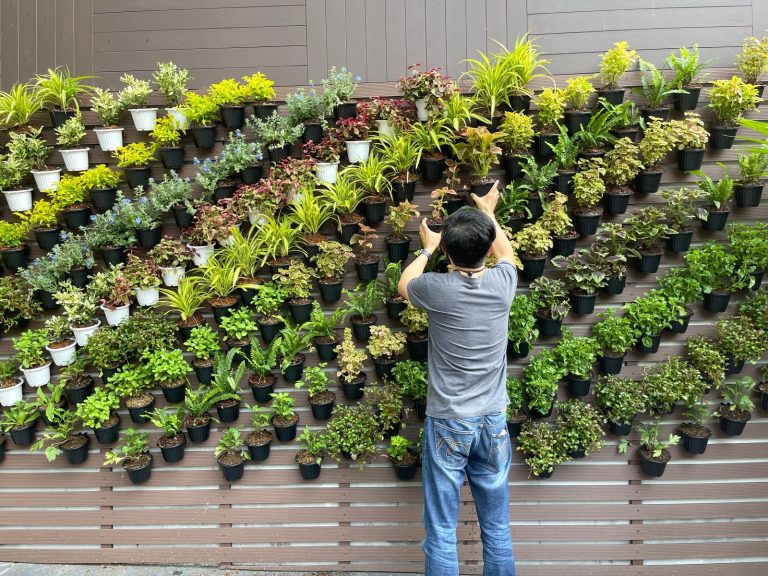
| Urban Xeriscape | Small plots, rooftop gardens, city lots. | Maximum space efficiency; high aesthetic control. | High initial cost for containers and hardscape. | High |
Choosing the right path depends heavily on the specific constraints of the site. A property with heavy clay soil might be better suited for a Native Meadow approach, while a sandy, windswept slope requires the specialized root structures found in Coastal-Adaptive designs. Decision logic should always prioritize the existing soil structure over aesthetic desires.
Real-world Scenarios And Applied Logic
In a typical residential lawn conversion, the primary goal is often the reduction of the municipal water bill. However, a second-order consequence is the immediate change in local insect and bird populations. A homeowner might choose to keep a small “oasis zone” of turf near the patio for children or pets, while the perimeter is transitioned to xeric shrubs.
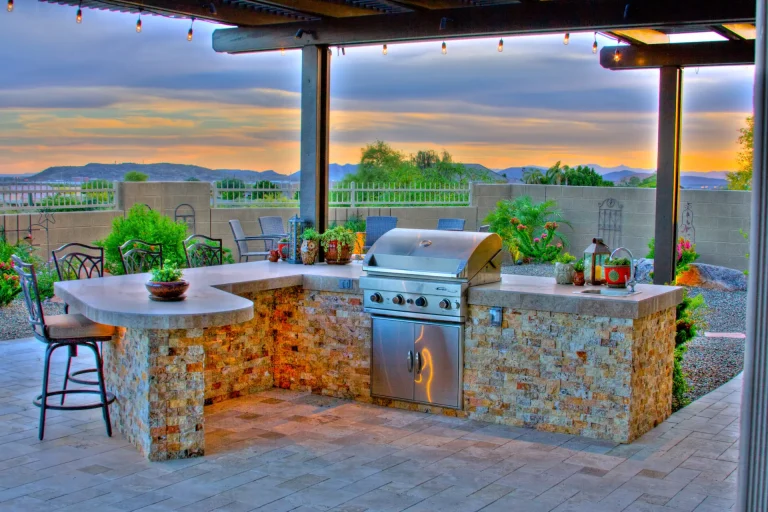
Commercial perimeters present a different challenge. These areas often face heavy foot traffic and chemical runoff from parking lots. The applied logic here focuses on “Structural Hardscaping.” Using permeable pavers and deep-rooted ornamental grasses allows the site to filter pollutants while maintaining a professional appearance.
Sloped terrains require a focus on erosion control. A failure to account for water velocity during heavy storms can lead to the “washout” of expensive mulch and topsoil. In these scenarios, the use of terracing and “rip-rap” rock formations becomes a functional necessity rather than a decorative choice.
When developers look at Top Backyard Landscaping Plans: Professional Design Guide, they often find that the most sustainable versions incorporate these xeric principles into the very first draft. This prevents the need for costly retrofitting after the infrastructure is already in place.
Planning, Cost, And Resource Dynamics
The financial reality of a xeriscaping project overview involves a higher upfront investment in exchange for drastically lower operational costs. While a traditional sod lawn is relatively cheap to install, the cumulative costs of water, fertilizer, and labor over five years often exceed the initial cost of a high-end xeric installation.
Direct costs include soil testing, professional design fees, specialized plant material, and high-quality organic mulches. Hidden costs often manifest as “Soil Remediation.” If the existing ground is compacted or devoid of microbial life, it must be revived before any planting can occur. This phase is often the most expensive but the most critical for long-term survival.
| Category | Entry-Level Scenario | Professional Standard | Enterprise/High-End | Key Nuance |
|---|---|---|---|---|
| Design & Prep | Self-guided; basic soil tilling. | Professional CAD plan; pH testing. | Site-wide grading; drainage engineering. | Drainage determines longevity. |
| Plant Material | Common nursery stock; 1-gallon pots. | Native-certified; mixed sizes. | Mature specimen trees; rare cultivars. | Small plants often adapt faster. |
| Irrigation | Hand watering or basic timers. | Sub-surface drip; smart controllers. | Weather-station integrated systems. | Smart tech prevents water waste. |
| Mulch/Finish | Standard wood chips; 2-inch depth. | Premium cedar or rock; 4-inch depth. | Imported basalt; custom gravel blends. | Depth is critical for weed control. |
It is a common industry adage that “cheap” plants lead to “expensive” landscapes. Selecting plants based purely on price often results in high mortality rates during the first summer. Investing in plants that have been “hardened off” for the specific region is a form of insurance against project failure.
Tools, Strategies, And Ecosystems
A professional toolkit for a xeriscaping project overview includes more than just shovels and rakes. Designers now use satellite-based sun mapping to determine exactly where shade will fall during the hottest parts of the day. This precision allows for the placement of more delicate species in protected microclimates.
Soil moisture sensors are another critical tool. These devices provide real-time data to irrigation controllers, ensuring that water is only applied when the “Soil-Plant-Atmosphere Continuum” demands it. This prevents the “over-watering” trap that often kills succulents and desert shrubs.
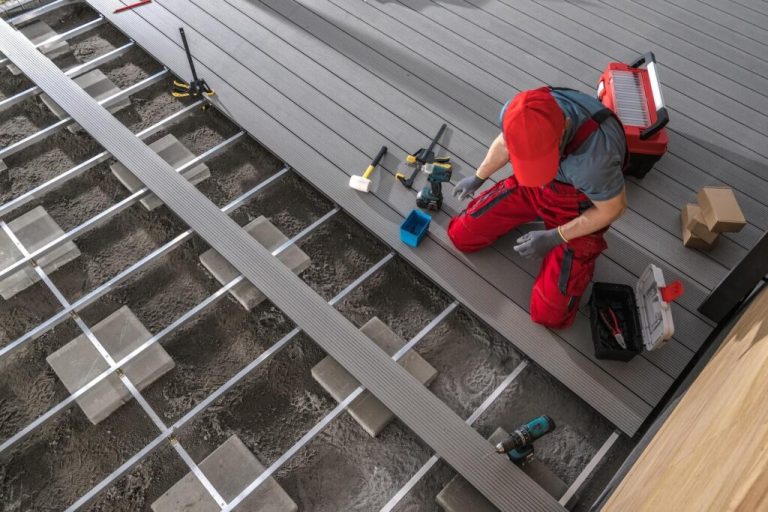
Integrating these tools into a larger ecosystem also involves considering the hardscape. If a project involves significant stonework or decking, it must be planned carefully to avoid heat retention. Professionals might consult a Best Deck Construction Options: A Professional Selection Guide to find materials that do not contribute to the “Heat Island” effect around sensitive plants.
Risk Landscape And Failure Modes
The most common failure in a xeric project is actually over-irrigation. Many homeowners, seeing a plant in a dry environment, assume it is thirsty. This leads to root rot and fungal infections that can decimate an entire landscape in a single season. This is a “Structural Error” in the management strategy.
Another significant risk is the “Human Error” of neglecting the weeding process during the first two years. While the xeriscape is establishing itself, bare patches of soil are vulnerable to invasive species. If these are not managed early, they can choke out the native plants and ruin the intended aesthetic.
Operationally, the failure to refresh mulch layers can lead to soil temperature spikes. Once the soil reaches a certain temperature, the beneficial microbes die off, and the plants lose their primary source of nutrient processing. This creates a systemic failure where the plants look “sick” despite having enough water.
Governance, Maintenance, And Sustainability
Sustainability in a xeric environment is not a “set it and forget it” proposition. It requires dynamic adaptation. As plants grow and shade the ground, the water needs of the understory change. A rigid, static irrigation schedule will eventually lead to waste or plant death.
Long-term mastery involves a “Succession Audit” where the landscape is evaluated every three years. Are certain plants becoming too dominant? Is the drainage still clear? Has the mulch decomposed into a rich soil that now supports more diverse (and perhaps more water-hungry) species?
- Annual Mulch Audit: Check for depth and compaction; replenish to maintain 3-4 inches.
- Bi-Annual Irrigation Flush: Clean filters and check for emitter clogs or “geysers.”
- Spring Pruning: Remove dead wood to improve airflow and reduce fire risk.
- Soil Health Review: Test pH levels every three years to ensure nutrient availability.
- Weed Monitoring: Perform high-intensity weeding in late winter before seeds drop.
Documentation is the backbone of governance. Keeping a “Planting Map” that includes the date of installation and the specific cultivar name is invaluable when replacing individual specimens or expanding the garden later.
Measurement, Kpis, And Evaluation
Proving the success of a xeriscaping project overview requires tracking both leading and lagging indicators. A leading indicator might be the “Average Soil Moisture Content” during a heatwave. If the sensors show stability despite no rain, the system’s design is fundamentally sound.
A lagging indicator is the “Annual Water Bill Reduction.” For many stakeholders, this is the ultimate metric of success. A professional should be able to demonstrate a 50% to 70% reduction in exterior water usage within three years of a full conversion.
Qualitative indicators are also important. The increase in “Pollinator Sightings” or the “Decrease in Ambient Surface Temperature” near the home can be measured and documented. These metrics prove to the layperson that the landscape is functioning as a biological cooling unit, not just a dry patch of dirt.
Common Misconceptions And Myths
The “Zero-Maintenance” myth is perhaps the most damaging. While a xeriscape requires less labor than a lawn, it still requires intelligent intervention. Weeding, pruning, and monitoring are still necessary components of a healthy yard.
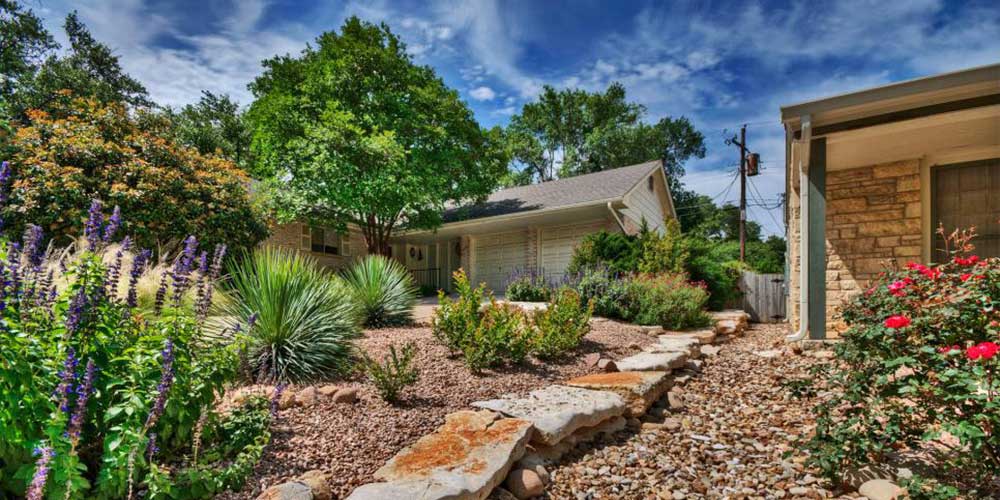
Another common myth is that xeriscaping is “just rocks and cactus.” In many regions, a xeric garden can look remarkably lush, utilizing native ferns, flowering perennials, and even certain types of moss. The “color palette” of a xeriscape is limited only by the designer’s knowledge of regional flora.
Some believe that these projects are too expensive for the average homeowner. However, when you How To Plan A Garden Renovation On A Budget: Expert Tips, you see that a phased approach—starting with a single zone—can make the transition affordable. It is not an all-or-nothing investment.
The myth that xeric yards lower property value is also fading. In many drought-prone areas, a professional xeric landscape is now viewed as a “premium asset” because it insulates the buyer from rising water costs and future municipal restrictions.
Ethical, Contextual, And Practical Limits
There are times when a xeriscaping project overview is not the appropriate solution. In high-rainfall wetland areas, forcing a xeric design can lead to plant death and soil erosion. The goal should always be “Appropriate Landscaping” rather than the dogmatic application of a single style.
Ethical considerations also come into play when selecting plants. Just because a plant is drought-tolerant does not mean it is native. Some popular xeric plants can become “escaped invasives,” wreaking havoc on local wilderness areas. Professionals must balance the need for low water use with the ethical obligation to protect the local biome.
Practical limits include HOA regulations and local zoning laws. Some communities still mandate a percentage of turf grass. In these cases, the “Strategic Compromise” is to use high-efficiency turf hybrids in the front and go full-xeric in the back, ensuring compliance while still meeting sustainability goals.
Conclusion
The successful execution of a xeriscaping project overview requires a sophisticated blend of botanical judgment and systemic process. It is a movement toward a more honest relationship with our environment, acknowledging the limits of our natural resources while still creating spaces of immense beauty and utility. By prioritizing soil health, smart irrigation, and regional appropriateness, we move beyond the fragile “green carpet” of the past into a more resilient and vibrant future. The balance between human design and natural efficiency is where true landscape mastery resides.
Frequently Asked Questions
Does Xeriscaping Attract More Pests Or Snakes?
Generally, no. A well-designed xeriscape reduces the standing water and lush cover that attract many common pests like mosquitoes and snails. While it may attract beneficial wildlife like birds and lizards, these are usually natural predators that help keep pest populations in check.
Can I Still Have A Small Lawn For My Children Or Pets?
Yes. This is known as “Limited Turf” or “Hydrozoning.” By keeping a small, functional area of grass in a high-use zone and surrounding it with xeric plants, you can still significantly reduce your overall water usage without losing the utility of a lawn.
How Long Does It Take For A Xeric Landscape To Look “full”?
Most xeric plants take about two to three years to reach their mature size. This is often described by the “Leap, Creep, Sleep” rule: the first year they sleep (establish roots), the second they creep (slow growth), and the third they leap (reach full size).
Is The Initial Cost Much Higher Than A Traditional Landscape?
The upfront costs can be higher due to the need for soil amendments, high-quality mulch, and specialized irrigation. However, the return on investment is typically seen within 3-5 years through reduced water bills, fewer chemical treatments, and lower maintenance labor.
Do I Have To Use A Lot Of Gravel And Rocks?
Not at all. While inorganic mulches like rock are an option, many successful xeriscapes use organic mulches like cedar chips or pine bark. These help build the soil over time and provide a softer, more traditional garden appearance than stone-heavy designs.