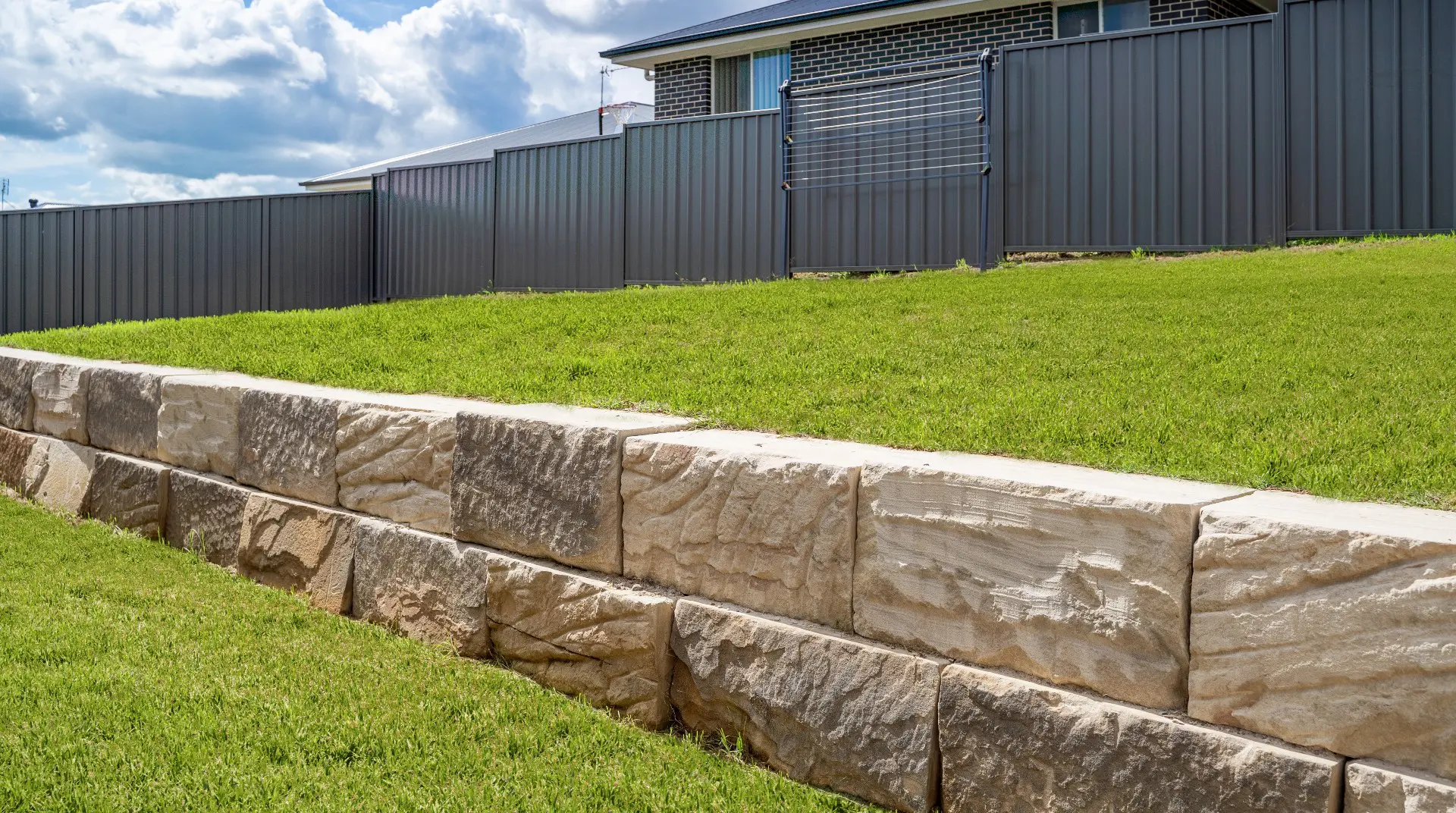
How To Avoid Retaining Wall Failure: A Professional Guide
How to avoid retaining wall failure requires a thorough understanding of hydraulic pressure, soil mechanics, and the structural dynamics of exterior land management. These structures serve as critical barriers that prevent soil erosion and manage grade changes across residential and commercial landscapes. While a small garden wall might seem like a simple weekend project, the physics involved in holding back tons of saturated earth is a complex engineering challenge. Professionals and novices alike must recognize that failure often stems from hidden environmental factors rather than visible surface defects.
Understanding the fundamental relationship between the retained soil and the wall structure is the first step toward long-term stability. Modern exterior design often prioritizes aesthetics, yet the structural integrity of a wall depends almost entirely on what remains invisible behind the face. Effective management of water, weight, and friction determines whether a structure will last for decades or collapse during the first major weather event. This analysis explores the technical nuances of wall stabilization to provide a clear roadmap for durable construction.
The consequences of structural neglect in exterior wall systems can be catastrophic, leading to property damage and significant financial liability. As urban environments become more densely populated, the reliance on steep-grade management continues to increase. Consequently, the strategies used to mitigate risks must evolve to handle changing climate patterns and heavier rainfall. By focusing on preventative engineering rather than reactive repairs, stakeholders can ensure their exterior infrastructure remains safe and functional indefinitely.
How To Avoid Retaining Wall Failure
How to avoid retaining wall failure is fundamentally a matter of managing hydrostatic pressure and gravitational forces within a specific geological context. At its core, a retaining wall is a fight against the natural tendency of earth to find its angle of repose. This angle represents the steepest slope at which a material remains stable without sliding. When humans cut into a hillside to create flat space, they disturb this natural balance, necessitating an artificial structure to hold the lateral earth pressure in check.
Consider the analogy of a person leaning against a door. If the person is dry and standing on firm ground, the door easily resists the weight. However, if the floor becomes slick and the person begins to slide, the force against the door increases exponentially. In the context of exterior walls, the soil is the person, and water is the slick floor. Most failures occur not because the wall was too weak to hold the soil, but because the wall could not hold the soil plus the weight of trapped water.
Professional engineers view these structures as dynamic systems rather than static objects. A common misunderstanding among laypeople is the belief that “more weight” or “more concrete” automatically equals more strength. In reality, a rigid wall that cannot breathe or drain is often more prone to cracking and overturning than a flexible system designed to move slightly with the earth. Effective wall management balances mass, friction, and drainage to create a symbiotic relationship with the surrounding environment.
The distinction between internal and external stability is also vital for understanding wall longevity. Internal stability refers to the wall’s ability to hold itself together, such as the bond between blocks or the strength of a timber joint. External stability refers to the wall’s ability to resist the forces of the earth, preventing it from sliding forward or tipping over. True success in construction requires addressing both categories simultaneously through precise material selection and site preparation.
The Physics Of Lateral Earth Pressure
Lateral earth pressure is the pressure that soil exerts in the horizontal direction. This force is influenced by the soil type, its moisture content, and the amount of surcharge weight placed on top of the soil. Understanding these pressures is critical for anyone learning how to avoid retaining wall failure. Different soils, such as clay versus gravel, behave very differently when compressed, affecting the structural requirements of the wall face.
Hydrostatic Pressure And Its Destructive Potential
Hydrostatic pressure is perhaps the single most common cause of exterior wall collapse. When water accumulates behind a wall without a clear path for escape, it adds significant weight and pressure against the structure. This pressure can be several times greater than the weight of the soil alone. Implementing effective drainage systems is the primary defense against this invisible force, ensuring that water moves through or around the wall rather than pushing against it.
Historical Evolution Of Wall Stability Standards
Historical methods for holding back earth relied almost entirely on the principle of mass. Ancient dry-stone walls were constructed with immense thickness, using gravity to counteract the pressure of the soil. These structures were effective because they were naturally porous, allowing water to seep through the gaps between stones. However, as construction moved toward mortared stone and poured concrete, the natural drainage was lost, leading to a new era of structural failures caused by internal pressure buildup.
In the mid-20th century, the introduction of reinforced concrete and segmental retaining wall (SRW) systems revolutionized exterior engineering. These modern standards moved away from sheer mass and toward the use of geogrids and soil reinforcement. By tying the wall face back into the soil mass itself, engineers created “reinforced zones” that act as a single, heavy unit. This shift allowed for much taller walls with thinner profiles, though it also increased the complexity of the installation process.
Today, the industry focuses on “resilient design,” which accounts for extreme weather patterns and long-term soil settlement. Modern standards now mandate specific backfill materials, such as clean angular stone, rather than simply reusing the soil excavated from the site. This evolution reflects a growing realization that the environment behind the wall is just as important as the wall itself. Understanding these shifts helps current builders avoid the outdated assumptions that frequently lead to structural errors.
Strategic Mental Models For Structural Integrity
Mental models help professionals visualize the invisible forces at play in exterior environments. One such model is the “Wedge Theory,” which suggests that only a triangular wedge of soil directly behind the wall is actually trying to push it over. By identifying the size and weight of this wedge, builders can calculate exactly how much resistance is required. This prevents over-engineering on small projects while ensuring adequate support for larger ones.
Another useful framework is the “Wet Sock” model. Imagine trying to lift a dry wool sock versus one that is soaked with water. The weight difference is immense, and the saturated sock lacks structural form. Soil behaves the same way; when it becomes “liquid,” it loses its internal friction and exerts maximum pressure. This model reminds builders that the goal is to keep the soil behind the wall as dry as possible to maintain its natural stability.
For professionals, the “Factor of Safety” model is the most important. This involves designing a wall to be 1.5 to 2 times stronger than the calculated maximum load it will ever face. This buffer accounts for unexpected events like 100-year floods, seismic activity, or heavy equipment driving too close to the wall’s edge. Applying this margin of error is a hallmark of high-authority engineering and a primary method for long-term risk mitigation.
The Variation Matrix: Types And Nuances
Choosing the right wall type is a prerequisite for learning how to avoid retaining wall failure in various terrains. Each system has specific limits regarding height, soil compatibility, and load-bearing capacity. For instance, a gravity wall is excellent for heights under three feet, but attempting to build one much higher without reinforcement is a recipe for disaster. Conversely, sheet piling is ideal for soft coastal soils where a traditional foundation cannot be poured.
| Variation | Target Audience | Core Advantage | Trade-offs | Relative Complexity |
|---|---|---|---|---|
| Gravity Walls | Residential Homeowners | Uses weight to resist pressure | Height limitations | Low to Moderate |
| Cantilever Walls | Commercial Developers | Strongest for tall heights | Expensive concrete work | High |
| Segmental (SRW) | Civil Engineers | Flexible and modular | Requires soil reinforcement | Moderate |
| Gabion Baskets | Erosion Control Pro | Superior drainage | Industrial aesthetic | Low |
| Sheet Piling | Marine/Soft Soil Tech | Works in tight spaces | High material costs | Extreme |
Decision logic dictates that the choice must follow the site’s constraints. If space behind the wall is limited, a cantilever or anchored wall may be necessary because there is no room for the geogrid layers required by segmental systems. If the budget is tight but drainage is a major concern, gabion baskets offer a cost-effective solution that handles water better than almost any other wall type. Matching the structure to the environmental reality is the foundation of professional success.
Real-world Scenarios And Applied Logic
In a typical residential scenario, a homeowner might install a wall on a slope that receives significant runoff from a neighbor’s driveway. The immediate logic is to build a wall tall enough to level the yard. However, the second-order consequence is that the wall now acts as a dam for all that runoff. To avoid failure, the design must include a robust swale or catch basin above the wall to redirect water before it ever reaches the backfill area.
In a commercial setting, a wall might be built to support a new parking lot. Here, the “surcharge load” of moving vehicles adds a dynamic force that a static soil calculation wouldn’t cover. If the wall is built only to hold the earth, the added weight of the cars will eventually cause the wall to lean or “bulge.” Professionals address this by extending the reinforcement layers deeper into the hillside to create a larger stable base that can support the additional weight.
Another scenario involves building in regions with heavy freeze-thaw cycles. When water in the soil freezes, it expands, pushing against the back of the wall in a process known as frost heave. A wall built with non-porous backfill like clay will suffer incremental damage every winter. By using clean, angular gravel that doesn’t hold water, the builder ensures there is no moisture to freeze, thus neutralizing the threat of frost heave entirely.
Addressing Saturated Clay Environments
Clay soils are notoriously difficult because they expand when wet and shrink when dry. This constant movement can “ratchet” a wall forward over several years. To manage this, professionals often over-excavate the area behind the wall and replace the clay with a “chimney drain” of gravel. This creates a buffer zone that protects the wall face from the aggressive expansion of the native clay.
Managing Steep Grade Transitions
When a wall is built at the base of a very steep hill, the “infinite slope” condition can apply. This means the pressure on the wall isn’t just coming from the immediate soil, but from the weight of the entire mountain above it. In these cases, a single wall may not be sufficient. A tiered or terraced wall system is often used to break up the slope into smaller, more manageable increments, reducing the total load on any single structure.
Planning, Cost, And Resource Dynamics
The financial reality of exterior construction is that cutting costs during the initial build often leads to exponential expenses later. Learning how to avoid retaining wall failure requires a budget that prioritizes “below-grade” components. While the stone or block on the face is what people see, the gravel, pipe, and fabric behind it are what actually perform the work. Skimping on these materials to save 10% on the total bill can lead to a total failure that costs 200% to replace.
| Category | Entry-Level Scenario | Professional Standard | Enterprise/High-End | Key Nuance |
|---|---|---|---|---|
| Materials | Timber or Small Block | Engineered Block Systems | Cast-in-Place Concrete | Durability scales with cost |
| Drainage | Basic Weep Holes | Perforated Pipe + Stone | Hydro-composite Panels | Water is the main enemy |
| Reinforcement | None (Gravity only) | Biaxial Geogrid | Steel Tie-backs/Anchors | Height dictates method |
| Labor | General Labor | Specialized Wall Crews | Civil Engineering Firm | Expertise prevents rework |
A “cheap” wall often uses native soil for backfill because it is free. However, native soil usually contains organic matter or clay that holds water. The professional standard is to import “3/4-inch clean crushed stone,” which provides excellent drainage and stays compacted. The opportunity cost of using the right stone is the price of hauling, but the benefit is a wall that will not need to be rebuilt in five years.
The Professional Toolkit: Strategies And Ecosystems
Modern wall construction relies on an ecosystem of specialized tools and materials. Geotextile fabrics are a primary example; they act as a filter to keep fine soil particles from clogging the drainage stone. Without this separation, the gravel eventually fills with dirt, the water stops flowing, and the wall fails. Professionals view geotextiles not as an “extra” but as a mandatory component of the drainage system.
Compaction equipment is another essential tool. Loose soil is unpredictable and prone to settling. By using vibratory plate compactors or “jumping jacks” every few inches of backfill, builders ensure the soil is as dense as possible. This density increases the internal friction of the soil wedge, which actually reduces the amount of pressure the wall face has to support. Poor compaction is a hidden limitation that often leads to “settlement cracks” in the wall surface.
Laser levels and transit levels are used to maintain a constant “batter” or lean. Most successful retaining walls are not perfectly vertical; they lean slightly into the hillside (typically 1 inch for every 1 foot of height). This architectural choice helps the wall resist the natural tendency to tip forward. Attempting to build a wall by eye or with a small hand level often results in a structure that looks straight but lacks the geometric advantage needed for long-term stability.
Risk Landscape And Failure Modes
The risk landscape for exterior walls is divided into three main failure modes: sliding, overturning, and global instability. Sliding occurs when the entire wall moves forward on its base because the friction between the wall and the ground is lower than the pressure behind it. Overturning happens when the wall tips forward from the top. Global instability is the most serious, where the entire hillside—including the wall—slides down because the deep-seated soil layers are unstable.
Small errors often compound into these systemic failures. For example, a minor mistake like forgetting to wrap the drainage pipe in a filter “sock” can lead to the pipe clogging with silt. Once the pipe is clogged, water builds up. The increased weight then causes the wall to slide forward by just an inch. That movement opens a crack at the top of the wall, which allows even more surface water to pour in, eventually leading to a total collapse. This “failure chain” is why meticulous attention to detail is required.
Human error also plays a significant role, particularly in the “surcharge” zone. This is the area of land above the wall that should be kept clear of heavy loads. If a homeowner decides to build a shed or park a heavy boat right at the top of a wall that wasn’t designed for it, they are inviting structural failure. Education and clear communication between the builder and the end-user are essential to mitigate these operational risks.
Identifying Early Warning Signs
Early detection is a key part of how to avoid retaining wall failure. Warning signs include “efflorescence” (white salty stains) on the face of the wall, which indicates that water is moving through the blocks rather than the drainage system. Other signs include bulging in the middle of the wall, tilting at the top, or the appearance of sinkholes in the soil behind the wall. Addressing these issues early through retrofitted drainage or soil stabilization can save the structure.
The Role Of Soil Testing
In high-stakes environments, a “visual inspection” of the soil is insufficient. Geotechnical engineers perform soil borings to determine the “phi angle” (internal friction) and the “cohesion” of the dirt. This data allows for precise calculations. Without this information, builders are essentially guessing, which significantly increases the risk of under-designing the foundation or the reinforcement layers.
Governance, Maintenance, And Sustainability
A retaining wall is not a “set it and forget it” structure. Because the environment is dynamic, the maintenance strategy must also be active. Over time, roots from nearby trees can penetrate drainage pipes or push against the wall face. Likewise, heavy storms can wash debris into weep holes, obstructing the flow of water. Regular inspections ensure that these small issues don’t escalate into structural threats.
- Monthly: Check weep holes for debris or clogging after heavy rains.
- Seasonally: Inspect the wall for new cracks, tilting, or signs of soil erosion at the base.
- Annually: Verify that the grade above the wall is still sloping away to prevent water pooling.
- Bi-ennially: Clear any deep-rooted vegetation growing within five feet of the wall face.
- Post-Event: Conduct a full walkthrough after any seismic event or major flood.
Sustainability in wall construction involves using materials that won’t degrade over time. Pressure-treated timber, while common, has a finite lifespan of 15–20 years before rot compromises its strength. In contrast, natural stone or engineered concrete blocks can last for a century. Choosing materials with high longevity reduces the “lifetime carbon footprint” of the project by eliminating the need for frequent reconstruction and resource consumption.
Measurement, Kpis, And Evaluation
Success in wall construction is measured through specific performance indicators. A leading indicator is the “compaction percentage.” Professionals use nuclear density gauges to ensure the soil behind the wall has reached 95% of its maximum dry density. This is a proactive measure that predicts a stable wall. If the compaction is low, the wall is likely to fail, regardless of how good the masonry looks on the outside.
A lagging indicator is the “verticality” of the wall over time. By placing a permanent marker on the wall and measuring its position relative to a fixed point every year, owners can track movement. A movement of less than 1/4 inch over five years is generally considered successful. If the wall is moving more rapidly, it indicates that the internal soil dynamics are not as stable as predicted, and intervention may be necessary.
Documentation is the bridge between a professional builder and a stakeholder. A successful project should include a “close-out” folder containing photographs of the buried drainage pipes, the geogrid placement, and the type of stone used for backfill. This “X-ray” view of the wall provides proof of quality that the surface finish cannot. It also serves as a critical diagnostic tool if the property is ever sold or if future modifications are planned.
Common Misconceptions And Myths
A frequent myth is that “waterproof” coatings on the back of the wall will prevent failure. In reality, trying to stop water is often more dangerous than letting it through. If you seal the back of a wall but don’t provide a drainage path, the water will simply build up until the pressure reaches a breaking point. The goal should be hydraulic conductivity (management) rather than hydraulic resistance (blocking).
Another misconception is that the “weight of the wall” is the primary factor in its strength. While weight matters for gravity walls, the “geometry” and “reinforcement” are far more important for modern structures. A lightweight segmental block wall that is properly tied back with geogrid is significantly stronger than a massive, unreinforced concrete wall of the same height. Understanding this allows for more efficient and cost-effective designs.
Many believe that “bigger is always better” when it comes to the footer or base. However, if the base is too wide but not deep enough, it may still fail due to “frost heave” or “scouring” (where water washes away the soil under the footer). The depth of the footer relative to the frost line is often more important than its sheer width. Professional guidance focuses on placing the foundation in “undisturbed” or “highly compacted” soil to prevent sinking.
The Myth Of “maintenance-free” Timber
Many homeowners choose timber because it is treated with chemicals to resist rot. The myth is that these walls are permanent. In reality, the hardware (screws and spikes) often fails before the wood does. Soil chemistry can corrode galvanized steel over time, causing the wall to literally pull apart. Anyone learning how to avoid retaining wall failure should realize that timber is a temporary solution compared to masonry.
The Misunderstanding Of Surface Cracks
Not all cracks indicate imminent failure. Small, hairline “settlement cracks” are common in mortared walls as the ground adjusts to the new weight. However, horizontal cracks or cracks that are wider at the top than the bottom are structural red flags. Distinguishing between cosmetic aging and structural distress is a key skill for maintaining long-term exterior safety.
Ethical, Contextual, And Practical Limits
There are certain scenarios where a retaining wall simply should not be built. If the soil is “highly plastic” (liquefies easily) or if there is an underground spring that cannot be diverted, the risks may outweigh the benefits. In these cases, it is more ethical to use “bio-engineering” solutions, such as deep-rooted vegetation and “living walls,” rather than rigid concrete structures. Recognizing the limits of traditional engineering is a mark of true professional maturity.
Furthermore, one must consider the impact on neighboring properties. Diverting water away from your wall might solve your problem, but if it floods your neighbor’s basement, you have created a new liability. Ethical exterior design focuses on “site-wide” water management that respects the natural flow of the watershed. Practical limits also include the “1:1 rule,” where a wall should not be built closer to a building than the height of the wall itself without specialized engineering oversight.
The current era of construction also demands awareness of material scarcity and environmental regulations. In some regions, using large amounts of quarried stone or high-carbon concrete is becoming more expensive due to sustainability taxes. Professionals are increasingly looking toward “recycled aggregate” and carbon-neutral concrete mixes. While these materials behave slightly differently, they represent the future of responsible land management.
Conclusion: The Synthesis Of Judgment And Process
Mastering how to avoid retaining wall failure is a balance between rigorous engineering and practical environmental awareness. It is not enough to simply follow a set of instructions; one must observe the land, understand the movement of water, and respect the immense power of gravity. A wall is a living part of the landscape that reacts to every rainfall and seasonal shift. By integrating robust drainage, proper soil reinforcement, and regular maintenance, builders can create structures that stand the test of time.
Ultimately, the difference between a successful installation and a failure lies in the willingness to do the invisible work. The gravel you never see, the pipes buried deep underground, and the compaction of the soil are the true heroes of structural integrity. When professional judgment is combined with a systematic approach to risk management, the result is a safe, functional, and durable exterior environment. Sustainable success is found when we stop fighting against nature and start building in harmony with its laws.
Frequently Asked Questions
What Is The Most Common Cause Of Retaining Wall Failure?
The most common cause is hydrostatic pressure resulting from poor drainage. When water saturates the soil behind the wall, it adds significant weight and reduces the soil’s internal friction, causing the wall to tilt, bulge, or collapse.
How Deep Should The Foundation Of A Retaining Wall Be?
The foundation depth depends on the wall’s height and the local frost line. Generally, at least one course of block or 10% of the wall height should be buried below ground to prevent the wall from sliding at the base.
Do I Always Need A Permit To Build A Retaining Wall?
Permit requirements vary by municipality, but most jurisdictions require a permit and an engineered design for walls over 4 feet tall. Always check local building codes to ensure safety and legal compliance.
Can I Use The Dirt From My Yard To Fill Behind The Wall?
Using native soil is risky, especially if it contains clay or organic matter. Professionals recommend using “clean crushed stone” for the first 12 inches behind the wall to ensure water can reach the drainage pipes quickly.
How Do I Know If My Wall Is About To Fail?
Look for signs of “tilting” where the top moves further out than the base, large horizontal cracks, or “sinkholes” forming in the soil behind the wall. These symptoms indicate that the wall can no longer support the lateral pressure.